

One of the first questions on any cleanout, renovation, or construction project is also one of the easiest to get wrong: what size dumpster do I need? Order too small and you are paying for a second haul or watching debris pile up beside a full container. Order too large and you are paying for space you never use. For Buffalo-area homeowners and contractors, getting the size right the first time saves money and keeps the project moving.
This guide breaks down the three roll-off dumpster sizes Wasteaway Dumpster Service offers, the 20-yard, the 30-yard, and the 40-yard, explains what each one is suited for, and covers the practical factors (weight, space, and what is going in) that should drive the decision.
How Dumpster Sizes Are Measured
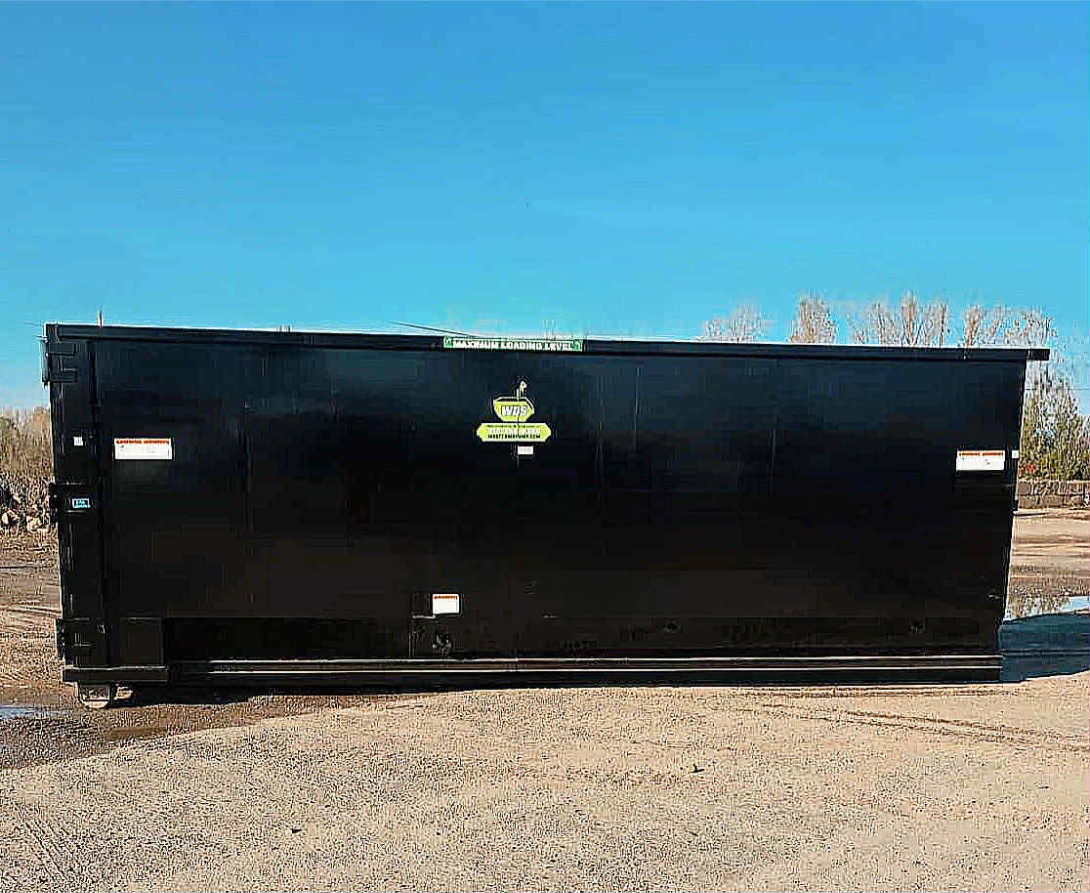
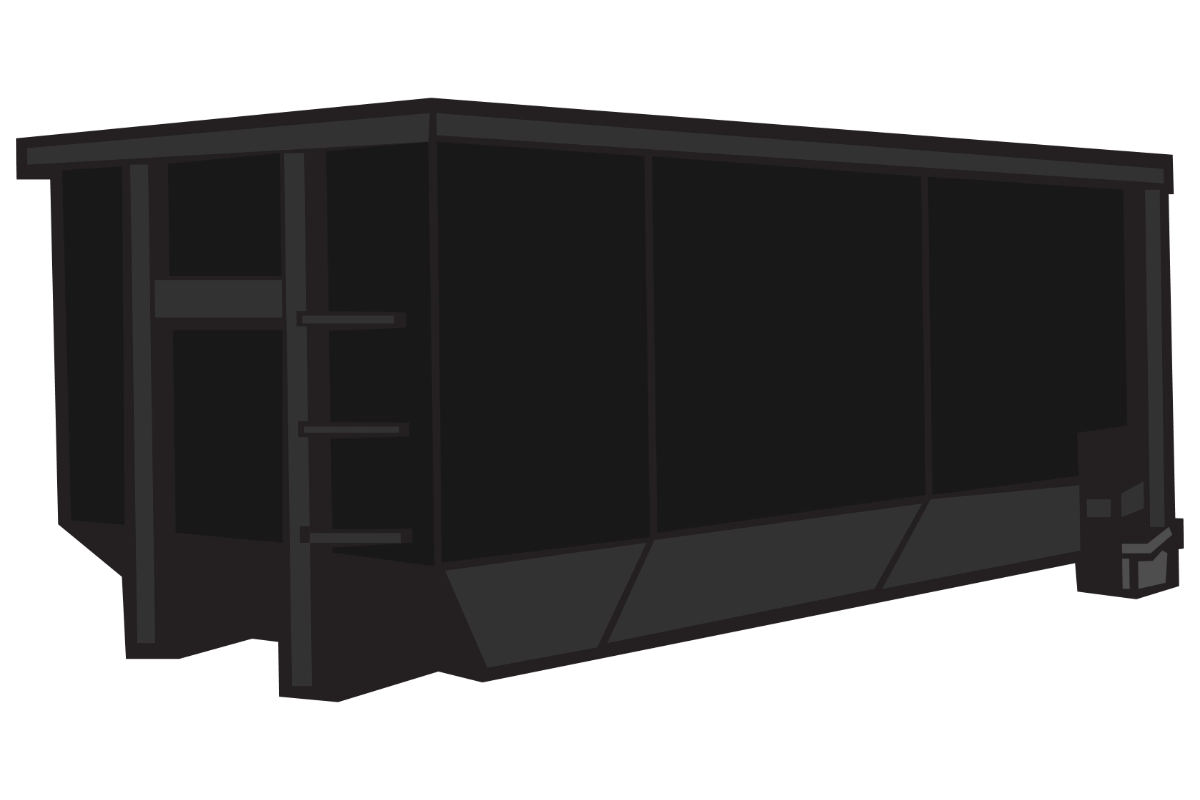
Roll-off dumpsters are measured in cubic yards, which describes the container’s volume. A 20-yard dumpster holds 20 cubic yards of material, a 30-yard holds 30, and a 40-yard holds 40. It helps to picture it in pickup-truck loads. Very roughly, a 20-yard dumpster holds the equivalent of around six to eight full pickup loads, a 30-yard around nine to twelve, and a 40-yard around fifteen or more. Those are general guides rather than precise figures, but they make the jump between sizes easier to visualize.
The 20-Yard Dumpster: Mid-Size Projects and Cleanouts
The 20-yard dumpster is the most popular size for residential projects, and for good reason. It holds a substantial amount of debris while still fitting on a typical driveway without dominating it. It is the right call for a single-room renovation, a large garage or basement cleanout, a roof tear-off of moderate size, a small deck removal, or a significant decluttering project.
The 20-yard is also a strong choice for heavy material in smaller volumes. Dense debris like dirt, concrete, or roofing shingles is heavy, and a smaller container keeps the load within weight limits more easily than filling a large dumpster with the same material. For many Buffalo-area homeowners, the 20-yard is the default, and it is the right one more often than not.
The 30-Yard Dumpster: Major Renovations and Larger Cleanouts
The 30-yard dumpster steps up for larger projects. It suits a major multi-room renovation, a whole-home cleanout, a sizable estate cleanout, new construction debris, or a large roofing job. If a project involves bulky material, old furniture, cabinetry, or large amounts of construction waste, the extra volume of a 30-yard keeps everything in one container and avoids the cost and delay of a swap-out.
The 30-yard is the common choice when a homeowner or contractor knows the project is big but the debris is not unusually heavy. It is the size that handles volume.
The 40-Yard Dumpster: Large Construction and Whole-Property Jobs
The 40-yard dumpster is the largest roll-off and is built for major jobs: large construction and demolition projects, whole-property cleanouts, commercial work, and any job generating a high volume of bulky, lightweight debris. It is most often the right call for contractors and large-scale projects rather than routine residential work.
One important caution comes with the largest container. Volume is not the only limit. A 40-yard dumpster filled with heavy material will exceed weight limits long before it is physically full. The 40-yard is for high-volume, lighter debris, not for filling to the top with dense material.
Weight Limits: The Factor That Catches People Out
Every dumpster rental includes a weight allowance, and weight is the factor homeowners most often overlook. The mistake is assuming that a bigger dumpster is always the safer choice. With heavy debris, the opposite can be true. Materials like concrete, brick, dirt, asphalt, and roofing shingles are dense, and a large container loaded with them can pass its weight limit while still looking half empty.
For heavy material, the smarter approach is often a smaller container, or a clear conversation with the rental company about what is going in. When you book, describe the debris honestly. Telling Wasteaway that a load is mostly concrete versus mostly household clutter changes the right-size recommendation, and it avoids a surprise overage on weight.
Space and Placement
A dumpster has to get to your property and sit somewhere. Before booking, think about placement. Most residential roll-offs are set on the driveway, and you will want a reasonably level, accessible spot with clearance for the delivery truck. Account for overhead obstructions like low branches and wires, and for the room the truck needs to position the container. A larger dumpster needs more space, both for the container itself and for the delivery. If driveway space is tight, that is another point in favor of a 20-yard, and it is worth raising when you book so Wasteaway can plan the drop accordingly.
A Quick Sizing Reference
| Dumpster Size | Best For | Keep in Mind |
|---|---|---|
| 20-yard | Single-room renovations, garage or basement cleanouts, moderate roofing jobs, heavy debris in smaller volumes | Fits most driveways comfortably |
| 30-yard | Multi-room renovations, whole-home and estate cleanouts, new construction debris | Best for a high volume of bulkier, lighter material |
| 40-yard | Large construction and demolition, whole-property and commercial jobs | Volume size; heavy material hits weight limits well before it is full |
A Few Things to Plan For Before the Dumpster Arrives
Beyond size, a little planning makes a dumpster rental go smoothly. A few things are worth sorting out before the container arrives.
First, know what cannot go in. Standard roll-off dumpsters are for general debris, not for hazardous materials. Items such as paint, chemicals, automotive fluids, tires, and certain appliances are typically not allowed, and some materials must be handled separately. When you book, ask Wasteaway what is and is not accepted for your project so there are no surprises on pickup day.
Second, plan the loading. Filling a dumpster evenly, with heavier and flat items first, makes better use of the space and keeps the load stable. Material should stay level with the top of the container rather than mounded above it, since an overfilled dumpster cannot be safely or legally hauled.
Third, think about timing. Know roughly how long your project will run so the rental period matches the work. A renovation that will take two weeks and a single weekend cleanout call for different planning, and a quick conversation when you book sorts it out.
When in Doubt, Ask
The honest truth is that sizing is not always obvious from a homeowner’s side, and the cost of guessing wrong runs in both directions. The simplest way to get it right is to describe the project to the rental company: what the job is, what kind of debris it will generate, and roughly how much. A company that handles these projects every day can match you to the right container quickly. Wasteaway Dumpster Service serves Buffalo, Lockport, Niagara Falls, and the surrounding Western New York communities, and a short conversation about your project is the most reliable way to land on the right size the first time.
Frequently Asked Questions
What size dumpster do I need for a garage or basement cleanout?
For most garage and basement cleanouts, a 20-yard dumpster is the right size. It holds a substantial amount of material and fits comfortably on a typical driveway. For a particularly large cleanout or a whole-home project, a 30-yard may be the better fit.
What is the difference between a 20, 30, and 40-yard dumpster?
The number refers to volume in cubic yards. A 20-yard suits mid-size residential projects and cleanouts, a 30-yard suits major renovations and larger cleanouts, and a 40-yard is built for large construction and whole-property jobs. The right choice depends on both the volume and the weight of your debris.
Can I put heavy material like concrete in any size dumpster?
You can, but weight limits matter more than size with heavy material. Concrete, brick, dirt, and shingles are dense, and a large dumpster loaded with them can exceed its weight limit while still looking half empty. For heavy debris, a smaller container is often the right call. Always tell the rental company what is going in.
Will a dumpster fit in my driveway?
Most residential roll-off dumpsters are placed on the driveway and fit on a typical one, with the 20-yard being the easiest to accommodate. You will want a level, accessible spot with clearance for the delivery truck and no low branches or wires overhead. If space is tight, mention it when booking so the drop can be planned.
What happens if I order a dumpster that is too small?
If a dumpster fills before the project is done, you may need a second haul or an additional container, which adds cost and time. This is why it helps to describe the project accurately when booking, so the rental company can recommend a size with enough room.
How do I know which size to choose?
The most reliable approach is to describe your project to the rental company: what the job is, the type of debris, and roughly how much. Wasteaway Dumpster Service handles these projects daily and can match you to the right size quickly, which avoids both paying for unused space and running short mid-project.
Planning a cleanout or renovation in the Buffalo area? Contact Wasteaway Dumpster Service to talk through your project and get matched with the right dumpster size the first time.