

Summer is renovation season in Western New York. The weather cooperates, contractors are booked solid, and homeowners across Buffalo and the surrounding communities take advantage of the warm months to finally remodel the kitchen, gut the bathroom, refinish the basement, or strip the old roof and start fresh. Whatever the project, every renovation has one thing in common: it generates a remarkable amount of debris. Old cabinets, torn-out drywall, ripped flooring, demo lumber, shingles, tile, and packaging pile up faster than most people expect, and how you handle that waste has a direct effect on how smoothly the whole job runs.
Wasteaway Dumpster Service is a Lockport-based company serving 13 communities across WNY, including Buffalo, Niagara Falls, Amherst, Cheektowaga, Hamburg, Orchard Park, and more. We deliver roll-off dumpsters to homeowners and contractors all summer long, and we have seen firsthand how the right waste plan keeps a renovation on schedule. This guide covers everything you need to know to fold a dumpster rental into your summer remodel: how to size it, when to schedule it, what you can throw in, and how to keep your job site clean and safe from start to finish.
Why Every Renovation Needs a Waste Plan
It is easy to focus all your planning energy on the exciting parts of a remodel: the new countertops, the paint colors, the fixtures. But debris management is the unglamorous detail that quietly determines your pace. Renovation waste is bulky, heavy, and often sharp or hazardous. Without a dedicated place to put it, demo materials end up clogging your garage, spilling into the yard, or being hauled away one carload at a time in a process that wastes days and risks injury.
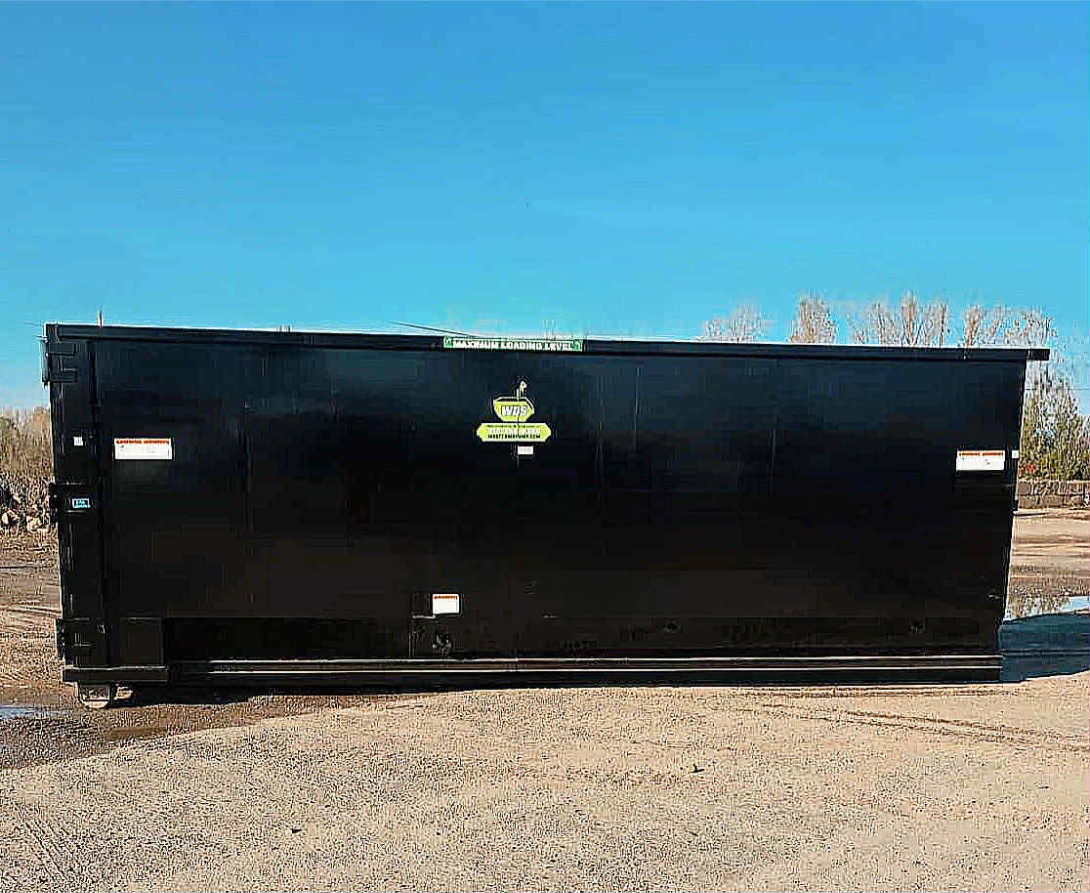
A roll-off dumpster parked in your driveway solves all of that. It gives your crew (or you, if you are doing the work yourself) a single point to dispose of everything as it comes out, which keeps the job site clear, reduces trip hazards, and lets the actual renovation move forward without constant cleanup interruptions. For a multi-week summer project, a dumpster is not a luxury, it is the infrastructure that makes everything else possible.
Matching Dumpster Size to Your Renovation Type
The single most common question we get from homeowners planning a remodel is what size dumpster they need. The answer depends on the scope of the work and the type of debris. Renovation waste is often denser than general household junk, especially when it includes plaster, tile, or roofing material, so it pays to think about both volume and weight. Here is how the three main roll-off sizes typically map to common WNY renovation projects.
- 20-yard dumpster: A good fit for a single-room remodel such as one bathroom, a small kitchen refresh, or a flooring replacement in a few rooms. It handles the debris from focused projects without taking up excessive driveway space.
- 30-yard dumpster: The most popular renovation size. It suits a full kitchen remodel, a larger bathroom gut, a basement finishing project, or a whole-room addition. If your project spans multiple rooms or involves significant demolition, the 30-yard gives you the capacity to avoid a mid-project swap.
- 40-yard dumpster: Built for major renovations, whole-home remodels, large additions, or roof tear-offs combined with interior work. If you are gutting much of the house or generating heavy roofing and structural debris, the 40-yard keeps everything in one container.
Heavy materials deserve a special note. Concrete, brick, tile, plaster, and roofing shingles are dense, and a dumpster can hit its weight limit long before it looks full. If your renovation involves a lot of these materials, tell us when you book. We may recommend a smaller container dedicated to the heavy debris so you stay within limits and avoid surprises. Our complete sizing guide goes deeper on matching volume to project type if you want to dig further before you decide.
Timing Your Dumpster Around the Renovation Schedule
With renovation, timing the dumpster delivery is almost as important as choosing the right size. Summer is our busy season, so booking ahead matters more than it does in slower months. The goal is to have the dumpster on site the day demolition begins, not a day later, so debris never has to pile up while you wait.
Coordinate With Your Demo Phase
Most renovation debris is generated in a concentrated burst during demolition, when old materials come out all at once. Schedule your dumpster delivery for the start of demo so your crew can load directly as they tear out. If your project has distinct phases, a kitchen demo followed weeks later by a flooring tear-out, for example, talk to us about timing. Depending on scope, you may want the dumpster for the full project or you may prefer a haul-and-return between phases.
Plan for Placement and Access
Before delivery day, identify where the dumpster will sit. A flat driveway close to the work area is ideal, since it minimizes how far materials have to be carried. Make sure the path is clear and that the spot leaves room for the truck to drop and later retrieve the container. If your driveway is tight or your project is on a corner lot, let us know and we will work out the best placement. A little coordination upfront prevents delivery-day headaches.
Book Early in the Buffalo Summer Rush
Because so many WNY renovations happen in the same June-through-August window, dumpster demand peaks right alongside contractor availability. The earlier you reserve, the more flexibility you have on delivery dates and size. If your renovation start date is set, call us as soon as you can to lock in your container.
What Goes In, and What Stays Out
A roll-off dumpster handles nearly all renovation debris: drywall, lumber, cabinetry, flooring, tile, fixtures, trim, insulation, packaging, and most general construction waste. That covers the bulk of what comes out of a typical remodel.
Certain materials, however, are prohibited by New York disposal rules and safety regulations and cannot go in any dumpster. These include wet paint and liquid chemicals, solvents and adhesives in liquid form, automotive fluids, propane tanks, tires, batteries, and appliances or electronics containing refrigerants. Some renovation materials, such as asbestos-containing products in older Buffalo-area homes, require specialized abatement and handling that falls outside standard dumpster disposal. If you are renovating an older property and suspect hazardous materials, consult a professional before demo begins. When in doubt about any item, ask us at booking and we will point you in the right direction.
Renovation, Demolition, and When to Add Junk Hauling
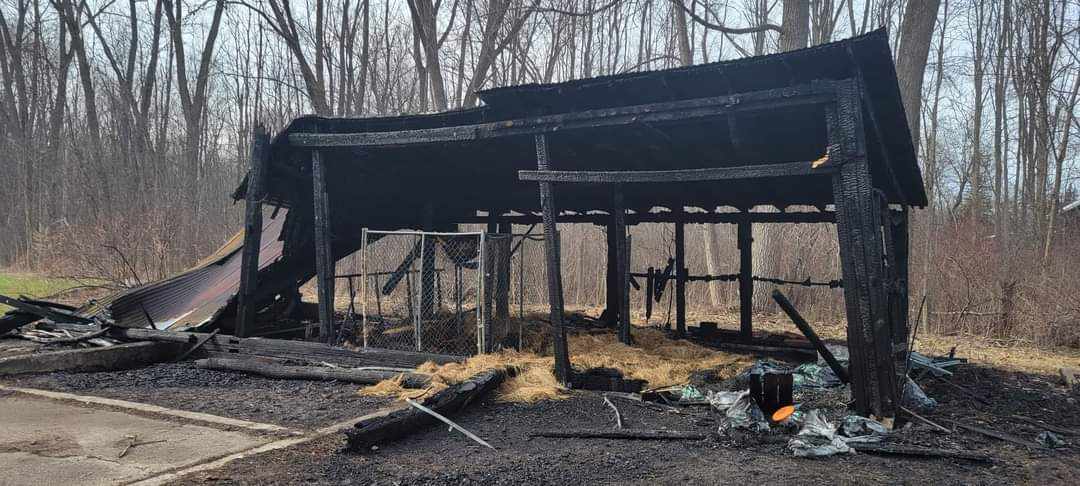
For most remodels, a single roll-off dumpster is all you need. But some projects benefit from pairing services. If your renovation includes significant structural demolition, such as removing walls, a deck, a garage, or an outbuilding, our demolition service can handle the teardown and debris removal together. And if you have a mix of usable items and junk to clear out before renovation begins, like emptying a room or basement of old furniture and belongings, junk hauling lets our crew do the heavy lifting and sorting so your space is ready for the contractor.
Thinking through the full lifecycle of your project, from clearing the space, to demolition, to ongoing debris during the build, helps you choose the right combination of services. We are happy to walk through your plan and recommend the most efficient setup when you call.
Keeping Your Job Site Clean and Safe
A clean job site is a faster, safer job site. A few practices make a big difference over the course of a renovation. Load the dumpster as you go rather than letting debris accumulate, which keeps walking paths clear and reduces the chance of nails, glass, or sharp edges causing an injury. Break down bulky items and load heavy, flat materials first to use the container’s volume efficiently. Never load above the top rail, both for safety and because overfilled containers cannot be legally hauled.
For homeowners managing their own renovation, the dumpster also doubles as a discipline tool. When there is a single, obvious place for waste, the site stays organized and the project feels manageable instead of chaotic. That organization carries straight through to the finished result. It is also worth scheduling a quick mid-project check of the container so you can gauge whether you are on pace with your capacity, especially on a remodel that stretches across several weeks. If you notice the dumpster filling faster than expected, a quick call to us means we can arrange a haul-and-return or adjust your plan before debris starts backing up. Staying ahead of the waste, rather than reacting to it, is one of the simplest things that separates a renovation that finishes on time from one that stalls in a pile of demo material.
Why Buffalo-Area Homeowners and Contractors Trust Wasteaway
We are a local, Lockport-based team with a 4.9-star rating across more than 200 reviews from customers throughout Western New York. We understand the rhythm of the Buffalo renovation season, we deliver and haul reliably so your project stays on track, and we offer the dumpster, demolition, and hauling services that cover a remodel from first teardown to final cleanup. Whether you are renovating in Buffalo, Niagara Falls, Williamsville, West Seneca, Tonawanda, or anywhere across our service area, we make debris removal the part of the project you never have to worry about.
Planning a summer remodel? Call us early to reserve the right dumpster and keep your renovation moving from day one.
Frequently Asked Questions
What size dumpster do I need for a kitchen or bathroom remodel?
A single-room remodel such as one bathroom or a small kitchen refresh usually fits a 20-yard dumpster. A full kitchen gut or a project spanning several rooms is better served by a 30-yard. For whole-home renovations or roof tear-offs, a 40-yard is typically the right call. Because renovation debris can be heavy, call us to confirm the best size for your specific project.
When should I have the dumpster delivered for my renovation?
Schedule delivery for the day demolition begins so debris never has to pile up while you wait. Most renovation waste comes out in a concentrated burst during demo, so having the container on site from the start keeps the job moving. In our busy summer season, book early to lock in your preferred delivery date.
Can I put renovation debris like drywall, tile, and flooring in the dumpster?
Yes, drywall, lumber, tile, flooring, cabinetry, trim, insulation, and most general construction debris can go in a roll-off dumpster. Heavy materials such as concrete, brick, plaster, and roofing shingles have weight limits, so if your project includes a lot of them, let us know at booking and we will recommend the right setup.
What renovation materials are not allowed in a dumpster?
Prohibited items include wet paint, liquid chemicals, solvents, automotive fluids, propane tanks, tires, batteries, and appliances or electronics with refrigerants. Asbestos-containing materials in older homes require specialized abatement, not standard dumpster disposal. If you suspect hazardous materials, consult a professional before demo, and ask us about any item you are unsure of.
Do you offer demolition along with dumpster rental?
Yes. If your renovation includes significant structural demolition, such as removing walls, a deck, a garage, or an outbuilding, our demolition service can handle the teardown and debris removal together. We can also pair junk hauling with your rental if you need a space cleared before renovation begins.
How far in advance should I book for a summer renovation in Buffalo?
Summer is peak season for renovations across WNY, so dumpster demand is high from June through August. We recommend booking as soon as your renovation start date is set to secure your preferred delivery date and dumpster size. The earlier you reserve, the more scheduling flexibility you have.